
The Arulmigu Immaiyilum Nanmai Tharuvar Temple, located on West Masi Street in Madurai, is a site of immense spiritual and historical weight. Its name literally translates to “The Lord who grants benefits in this life itself,” making it a beloved destination for those seeking immediate divine intervention.
The Car Festival (Ratha Utsavam) is the grand finale of the temple’s most significant annual event: the Masi Perunthiruvizha (Great Festival of the Tamil month of Masi).

Details of the Car Festival (Ratha Utsavam)
The festival typically spans 10 to 12 days, with the chariot procession being the crowning jewel.
1. Timing and Schedule
- Month: Occurs during the Tamil month of Masi (February–March).
- The Big Day: For 2026, the Car Festival (Ratha Utsavam) is scheduled for March 1st.
- Sequence: It follows other major events like the Flag Hoisting (Kodiettram) and the Thirukalyanam (Divine Wedding) of the Lord and Goddess.
2. The Procession
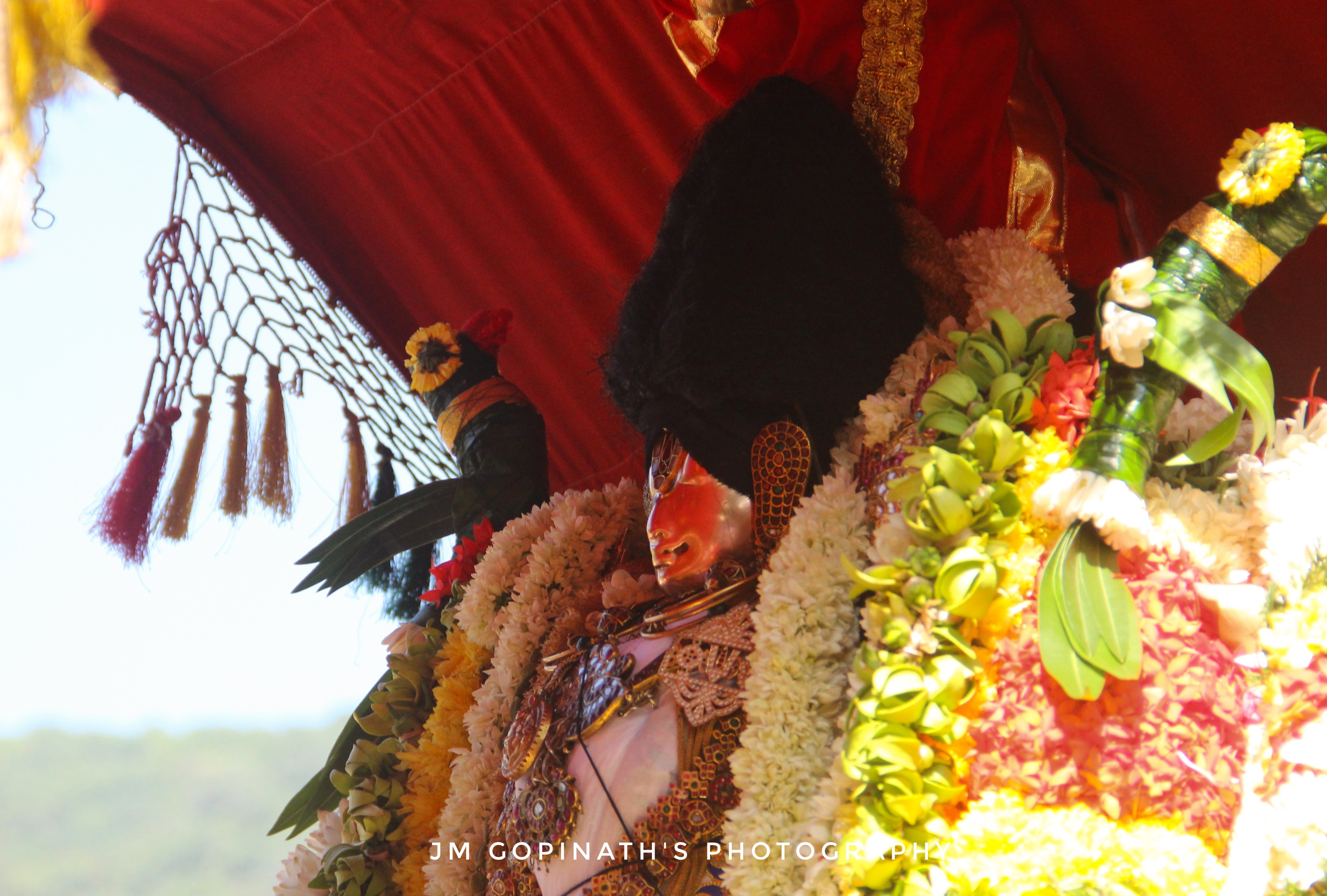
- The Chariot: A massive, intricately carved wooden chariot (Ratham) is decorated with colorful flags, flowers, and traditional fabrics.
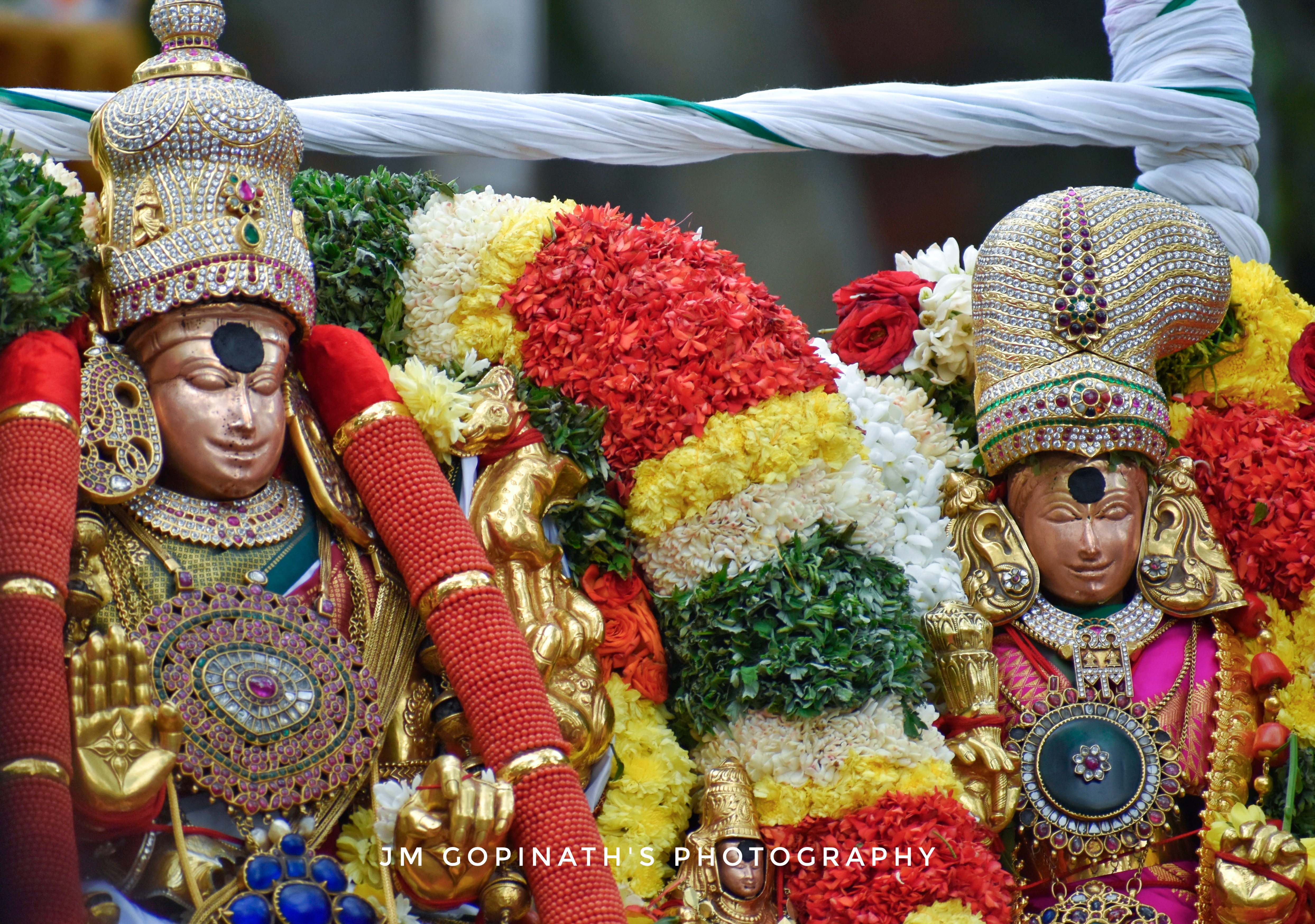
- The Deities: The processional deities (Utsava Murti), usually Lord Somaskanda and Goddess Madhyapuri Nayaki, are placed inside the chariot to tour the streets.
- The Route: The chariot is pulled by thousands of devotees through the four Masi Streets, which encircle the core of old Madurai.
3. Key Rituals
- Vedi Vazhipadu: It is a local tradition for devotees to offer “crackers” (symbolic of bursting ego) as the chariot passes.
- Abishekam: Once the chariot returns to its station (Nilai), special anointments and prayers are performed to thank the Lord for the successful journey.
Devotees believe that pulling the temple car or even catching a glimpse of the Lord on the chariot washes away the sins of the current birth. Unlike many temples where benefits are promised for the “afterlife,” this temple focuses on Immai (the present life), making the festival a joyous celebration of earthly well-being, health, and prosperity.